
Table of Contents
How to Select Whole Spices Like an Expert
When it comes to cooking flavorful food, the quality of your spices matters more than most people think. Whether you are making a simple dal, rich curry, pulao, or masala chai, the taste often depends on one thing — the quality of the whole spices you use.
Many people buy spices only by looking at price or packaging. But if you really want rich aroma, better taste, and natural purity, you need to know how to select whole spices like an expert.
In this guide, you will learn the simple and practical ways to identify good quality whole spices before buying them.
Why Selecting Good Whole Spices Matters
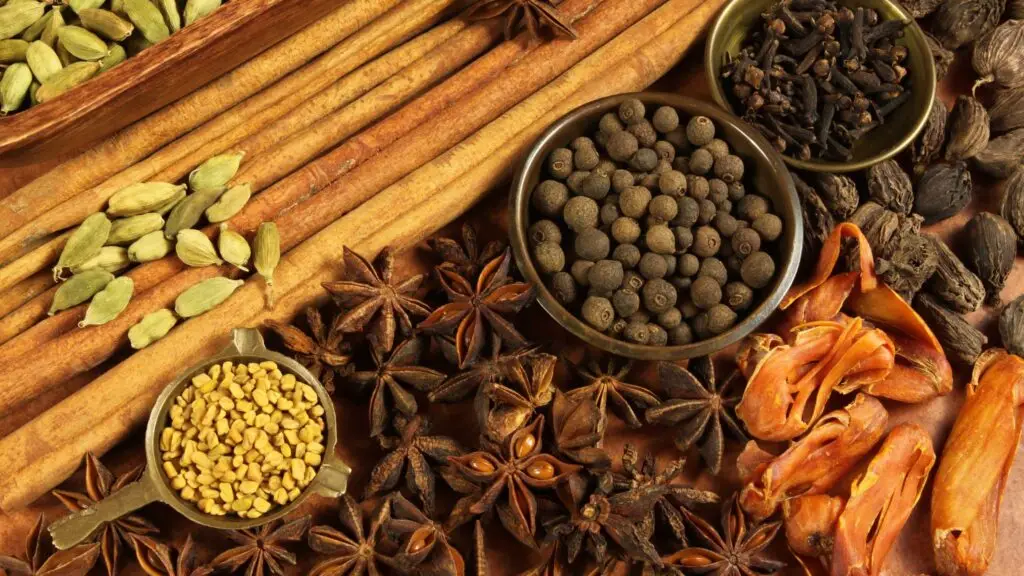
Whole spices are the heart of Indian cooking. Good-quality spices give:
- stronger aroma
- better flavor
- longer shelf life
- more freshness
- better cooking results
Low-quality spices may look fine from outside, but they often lack aroma, contain dust, have moisture, or may even be old stock. That is why learning how to choose premium whole spices is very important.
1. Check the Aroma First
One of the easiest ways to identify good spices is by their smell.
Fresh whole spices should have a strong, natural, and rich aroma. If the spice smells weak, dusty, or dull, it is usually old or low quality.
Example:
- Black pepper should smell sharp and warm
- Clove should have a sweet-spicy strong smell
- Cumin should smell earthy and fresh
If there is no strong aroma, the spice is probably not fresh.
2. Look at the Natural Color
Color is another important sign of spice quality.
Good whole spices should have a natural and healthy-looking color. They should not look faded, too polished, or unnaturally bright.
What to avoid:
- very dull-looking spices
- overly shiny surface
- black patches or discoloration
- signs of moisture damage
For example, good coriander seeds should look clean and light brown, while good fennel seeds should have a fresh greenish tone.
Natural color often indicates freshness and proper storage.
3. Check Size and Shape
When selecting whole spices, always look at the size, fullness, and uniformity of the spice.
Premium-quality spices are usually:
- bold
- well-filled
- mature
- evenly sized
Avoid spices that are:
- broken
- shriveled
- hollow
- too small or mixed in size
Example:
Good green cardamom should be plump and not flat.
Good black pepper should be bold and not too lightweight.
Larger, mature spices usually contain more natural oils and stronger flavor.
4. Make Sure the Spice Is Dry
Moisture is one of the biggest enemies of spice quality.
Good whole spices should feel dry, crisp, and clean. If a spice feels soft, sticky, or damp, it may spoil faster and lose its aroma.
Moisture can cause:
- fungus
- bad smell
- poor shelf life
- weak flavor
For example:
- Bay leaves should be dry and crisp
- Cloves should feel firm, not soft
- Cinnamon should not feel damp or rubbery
Dry spices stay fresh longer and perform better in cooking.
5. Check for Cleanliness
Always inspect whether the spice is clean and well sorted.
Premium whole spices should have:
- less dust
- fewer broken pieces
- no stones
- no stems or extra waste
Low-grade spices often contain:
- dust particles
- husk
- stalks
- foreign matter
Clean spices are not just better for cooking — they also show that the product was selected and packed with proper care.
6. Watch for Insect Damage
This is something many buyers ignore.
Always look closely for signs of:
- tiny holes
- powdery residue
- webbing
- eaten seeds
- storage pests
This is especially important in spices like:
- cumin
- coriander
- fennel
- black pepper
If the spice shows pest damage, avoid buying it. It is a clear sign of poor storage or old stock.
7. Test Oil and Freshness
Good spices contain natural essential oils, and that is what gives them strong taste and aroma.
A simple trick is to:
- crush a small piece
- rub it between your fingers
- smell it immediately
If the spice releases strong fragrance quickly, it is usually fresh and oil-rich.
This is one of the best ways to judge premium whole spices.
8. Buy from a Trusted Source
Even if you know how to inspect spices, buying from a reliable brand still matters.
A good spice seller should focus on:
- quality selection
- freshness
- proper cleaning
- hygienic packaging
- consistent sourcing
When you buy from a trusted source, you reduce the risk of getting poor-quality or mixed spices.
FAQ's
1. How do I know if whole spices are good quality?
You can identify good quality whole spices by checking their aroma, color, size, dryness, and cleanliness. Fresh spices usually have a strong natural smell, healthy appearance, and are free from dust, moisture, and insect damage.
2. Why are whole spices better than ground spices?
Whole spices usually stay fresh for longer because they retain their natural oils and aroma better than powdered spices. They also have a lower chance of losing flavor quickly and are easier to inspect for quality and purity.
3. What should I check before buying whole spices?
Before buying whole spices, you should check:
- aroma
- natural color
- dryness
- size and fullness
- cleanliness
- signs of insect damage
These factors help you choose fresher and better-quality spices.
4. How can I tell if spices are fresh?
Fresh spices usually have a strong, natural fragrance and a rich appearance. If a spice smells weak, dusty, or dull, it may be old or low quality. Crushing a small amount between your fingers is a simple way to test freshness.
5. Do whole spices expire?
Whole spices do not spoil quickly like fresh food, but they lose aroma, flavor, and strength over time. If stored properly in an airtight container away from heat and moisture, whole spices can stay flavorful for a long time.
6. Why do some spices smell weak?
Spices may smell weak if they are:
- old stock
- poorly stored
- low in natural oils
- exposed to air, moisture, or sunlight for too long
Weak aroma is often a sign of reduced freshness and lower quality.
7. How should whole spices look when buying?
Good whole spices should look:
- natural in color
- clean and well sorted
- dry and crisp
- uniform in size
- free from stones, dust, and broken waste
Avoid spices that look faded, damp, overly polished, or damaged.
8. Can moisture affect spice quality?
Yes, moisture can seriously affect spice quality. It can lead to:
- fungus
- bad smell
- reduced shelf life
- flavor loss
That is why dry spices are always better for long-term freshness and cooking performance.
9. How do experts test whole spices?
Experts usually test whole spices by checking:
- smell
- appearance
- weight in hand
- dryness
- oil release after crushing
These simple checks help identify whether the spice is fresh, mature, and premium quality.
10. What is the best way to buy premium whole spices?
The best way to buy premium whole spices is to choose spices that are fresh, clean, aromatic, and properly packed. Buying from a trusted spice brand also helps ensure better consistency and quality.
Final Thoughts
Learning how to select whole spices like an expert is not difficult. You simply need to pay attention to a few important things — aroma, color, dryness, size, cleanliness, and freshness.
Good whole spices can completely change the taste of your cooking. They make food more aromatic, flavorful, and authentic.
So next time you buy spices, do not choose only by price. Choose by quality.
Because great cooking always begins with great ingredients.
Buy Premium Whole Spices for Better Taste
If you want your food to taste more authentic and flavorful, always choose fresh, carefully selected whole spices.
Explore SpiceFusion’s premium whole spice range and bring home the aroma of pure, flavorful spices selected with care.